Learning Outcomes
i. Analyze the reasons behind the unequal distribution of food.
ii. Examine how natural disasters like drought and flooding contribute to famine.
iii. Understand the impact of increasing population on food scarcity.
Summary of Lesson
This lesson aims to shed light on the dire issue of famine, a global challenge that arises from a mix of social, economic, and environmental factors. We'll delve into the root causes, including why some areas have plenty while others have none, how weather extremes can wipe out food supplies, and the strain that an ever-growing number of people put on our planet's resources.
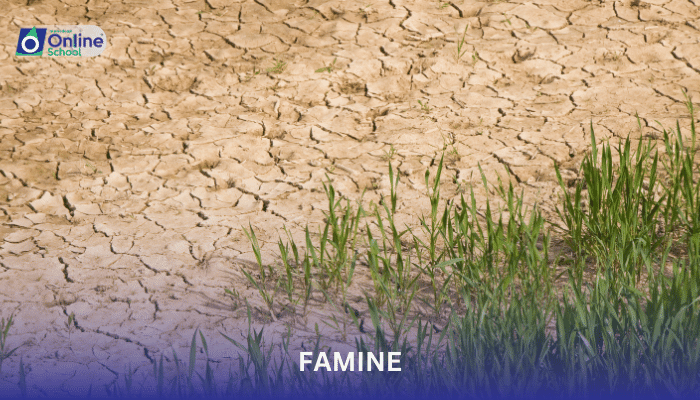
Food is a basic human need, but it's not always available where and when it's needed. The unequal distribution of food can result from economic disparities, conflict, and lack of infrastructure. Environmental disasters like droughts dry up water sources needed for crops, and flooding can destroy harvests. Meanwhile, our global population is climbing, putting additional pressure on agricultural production. All these factors can converge to create a famine, where the lack of food leads to widespread hunger and malnutrition.
List of Important Questions for Self-Study
i. What are some causes of the unequal distribution of food across different regions?
ii. How do drought and flooding contribute to the loss of food supplies?
iii. In what ways does an increasing population affect the availability of food?
iv. What are some possible solutions to address the issue of famine?
Important Terminologies Used in Lesson
i. Famine: A severe shortage of food resulting in widespread hunger.
ii. Unequal Distribution: An imbalance where resources are not shared equally among a population.
iii. Drought: An extended period of deficient rainfall that can lead to water shortages and crop failure.
iv. Flooding: An overflow of water that submerges land and can destroy crops.
v. Population Growth: The increase in the number of individuals in a population, which can impact resource distribution.
